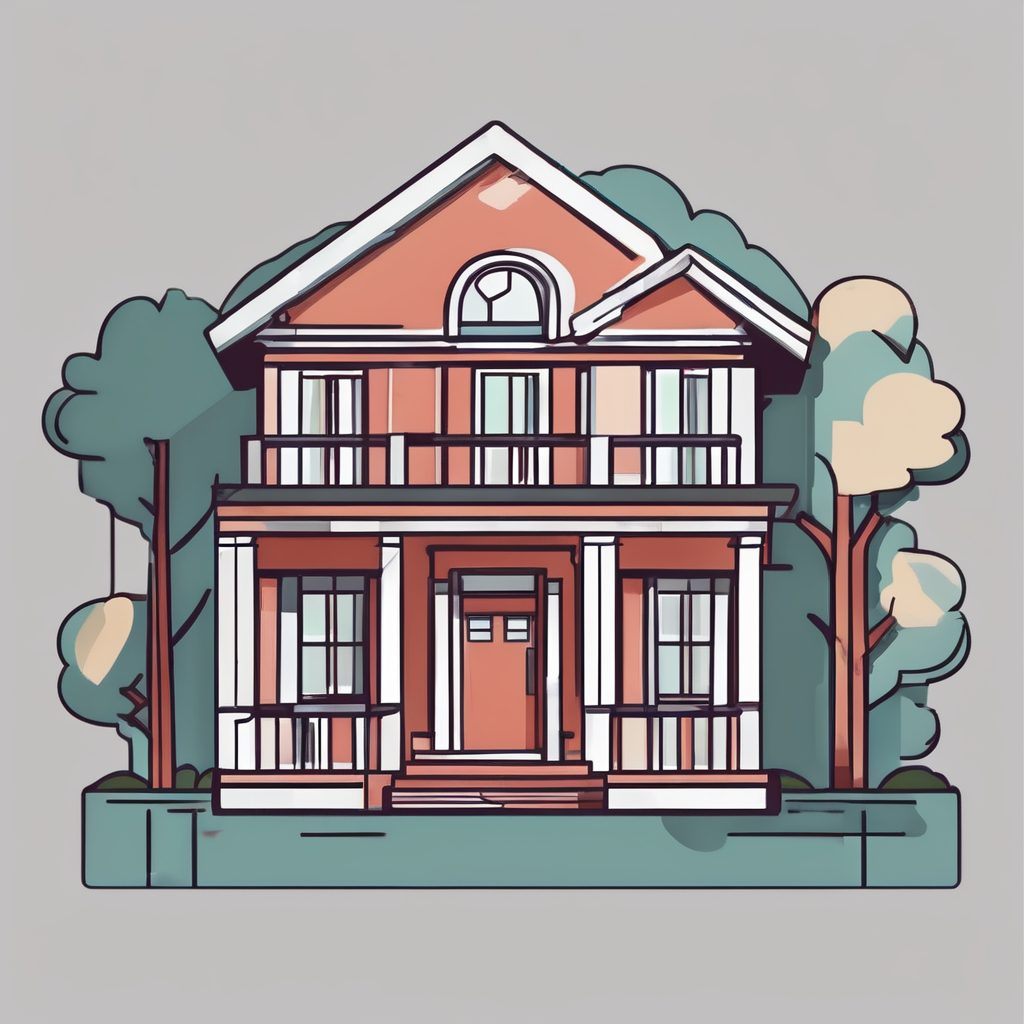
Historical Influences on British Home Architecture
Tracing the roots of British residential design
British architectural history reflects a rich tapestry of influences spanning centuries, shaping the character of homes across the UK. From the robust simplicity of Roman foundations to the ornate details of the Victorian era, each period has contributed distinct elements to British homes.
Also to see : How can you design a cozy living room in a UK house?
The Tudor homes of the late medieval period feature timber framing and steeply pitched roofs, indicative of both practical needs and aesthetic preferences of the time. Moving forward, the Georgian period introduced symmetry and classical proportions, transforming British architectural tastes towards elegance and order. This era’s influence is evident in the balanced facades and sash windows common in many historical neighborhoods.
Industrial advancements in the 19th century propelled the Victorian period into prominence, with more elaborate decoration and varied materials reflecting newfound wealth and technological progress. Victorian homes often display intricate brickwork and bay windows, distinguishing them from earlier styles.
This might interest you : What Are Some Creative Ways to Decorate Your Home on a Budget?
Understanding these periods clarifies how British homes continually evolve, combining functionality with stylistic shifts that resonate through modern residential architecture. The lasting impact of these eras forms the backbone of the UK’s distinctive architectural heritage.
Cultural Values and Societal Influences
British culture strongly shapes the appearance and structure of homes throughout the UK. Social class housing remains a significant factor in determining both size and style. Traditionally, middle and upper classes favored detached or semi-detached houses with spacious rooms and ornate details, while working-class homes were often terraced or flats with more modest features.
The subtle distinctions in housing styles reflect deeper cultural preferences and values. Many British families place great importance on features like fireplaces, bay windows, and garden spaces, which echo long-standing domestic ideals. These traditional home features not only offer comfort but also serve as symbols of status and continuity.
Preserving historic styles is another hallmark. In towns and rural areas, careful attention is paid to maintaining period architecture, showcasing a respect for heritage and community identity. This reverence influences planning laws and renovation practices, encouraging owners to retain original facades and internal details.
Understanding this interplay between British culture, social class housing, and traditional home features helps explain why domestic architecture remains both varied and deeply rooted in history. This complex relationship guides preferences and ensures that heritage continues to shape the modern British home.
Regional Diversity and Local Materials
Geography and available resources deeply shape regional British styles, leading to rich architectural diversity UK-wide. Northern homes often feature robust stone construction, reflecting local quarry availability and harsher climates, while southern regions tend to showcase brickwork, thanks to extensive clay deposits. This difference not only influences aesthetics but also impacts durability and insulation properties.
In rural areas, traditional techniques prevail with thatched roofing and timber framing, utilizing abundant local materials. Urban centers, by contrast, display a blend of historic and contemporary forms, combining stone, brick, and modern composites to address evolving needs.
Distinctive regional features are visible in roof design too. For example, slate roofs dominate in Wales and parts of northern England, sourced from nearby quarries, whereas clay tile roofs are common in southern counties. These material choices serve both functional roles, like weather resistance, and create visual identity.
Understanding this interplay clarifies why British homes, even within the same era, differ so distinctly by region. The blend of local materials and craftsmanship produces architectural diversity UK homeowners and visitors admire—each home a reflection of its landscape and cultural heritage.
Notable Features Distinguishing British Homes
British homes possess several distinctive architectural characteristics that set them apart. Among the most recognizable elements are sash windows, which slide vertically and provide a classic aesthetic while allowing effective ventilation. These windows often grace terraced housing, a prevalent structural layout where houses share side walls, creating long rows that maximize urban space use.
Front gardens are another hallmark, often modest but cherished spaces that create a visual buffer from the street and showcase traditional brickwork. This brickwork varies regionally but often features red or yellow hues, contributing significantly to the charm of British streetscapes.
Bay windows add depth and natural light, enhancing the sense of space inside. These windows are especially common in semi-detached homes, which are popular middle-ground options—offering more privacy than terraced houses yet more affordable than detached properties.
Cottages, with their quaint, often rural character, typically feature thatched roofs or painted exteriors, reinforcing a cozy and historical feel. Together, these features create a tapestry of British domestic architecture valued for its blend of functionality and heritage.
Comparisons with International Home Styles
British homes exhibit distinct qualities when compared to global home styles. A key difference lies in the architectural details: UK houses often feature brickwork, sash windows, and pitched roofs. In contrast, many international designs, such as Mediterranean styles, prioritize stucco walls, flat roofs, and large terraces.
The divergence in design philosophies largely stems from varying climate conditions. The cooler, wetter UK climate demands homes with insulation and rain-resistant materials, unlike warmer countries where ventilation and sun shading dominate design priorities. For example, Scandinavian homes emphasize energy efficiency with triple glazing due to harsh winters, while tropical regions focus on airflow and sun protection.
History and cultural influences also shape these differences. British architecture reflects a layering of styles from Norman to Victorian eras, emphasizing preservation and tradition. Elsewhere, newer countries may adopt modern, experimental designs that embrace open-plan living, a contrast to the often segmented rooms of UK houses.
Understanding these factors explains why UK homes maintain a unique architectural identity. Recognizing these contrasts can inspire homeowners exploring design ideas that fit both local climate and cultural heritage.